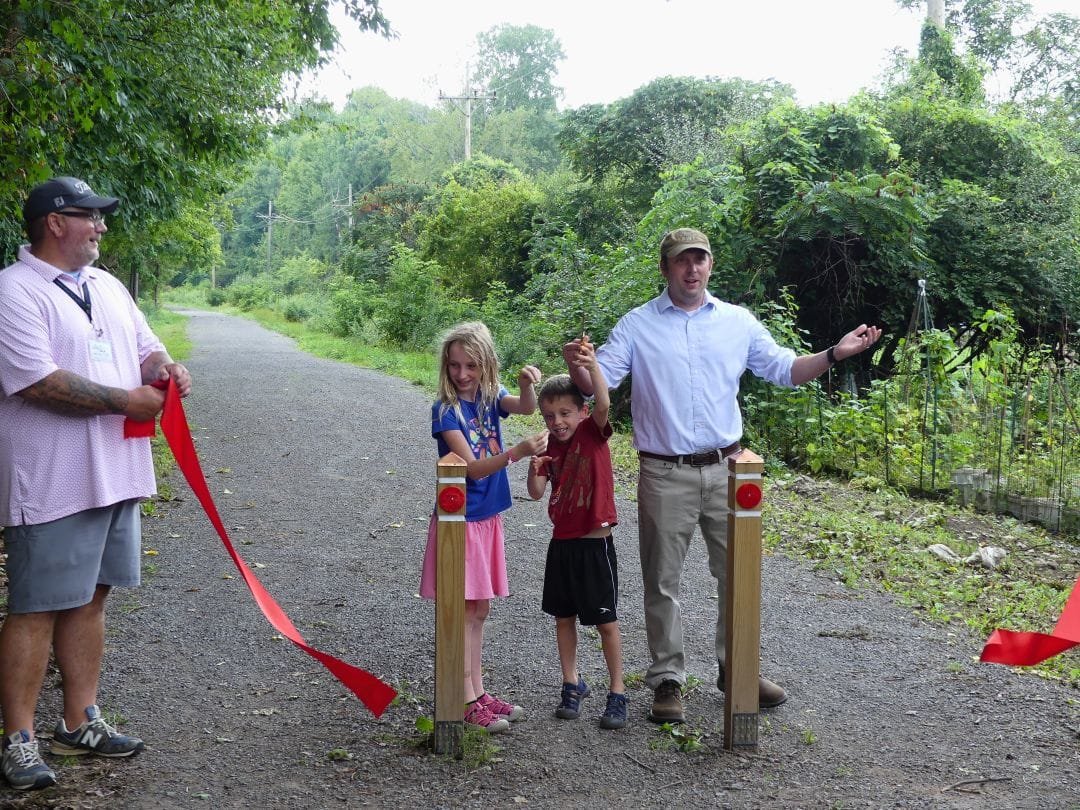
After a year of work, on Sept, 3, 2026, we celebrated the substantial improvements to the Hojack Trail, made possible by a grant from the Ralph C. Wilson, Jr. Trails Foundation and matching funds from a generous anonymous donor.
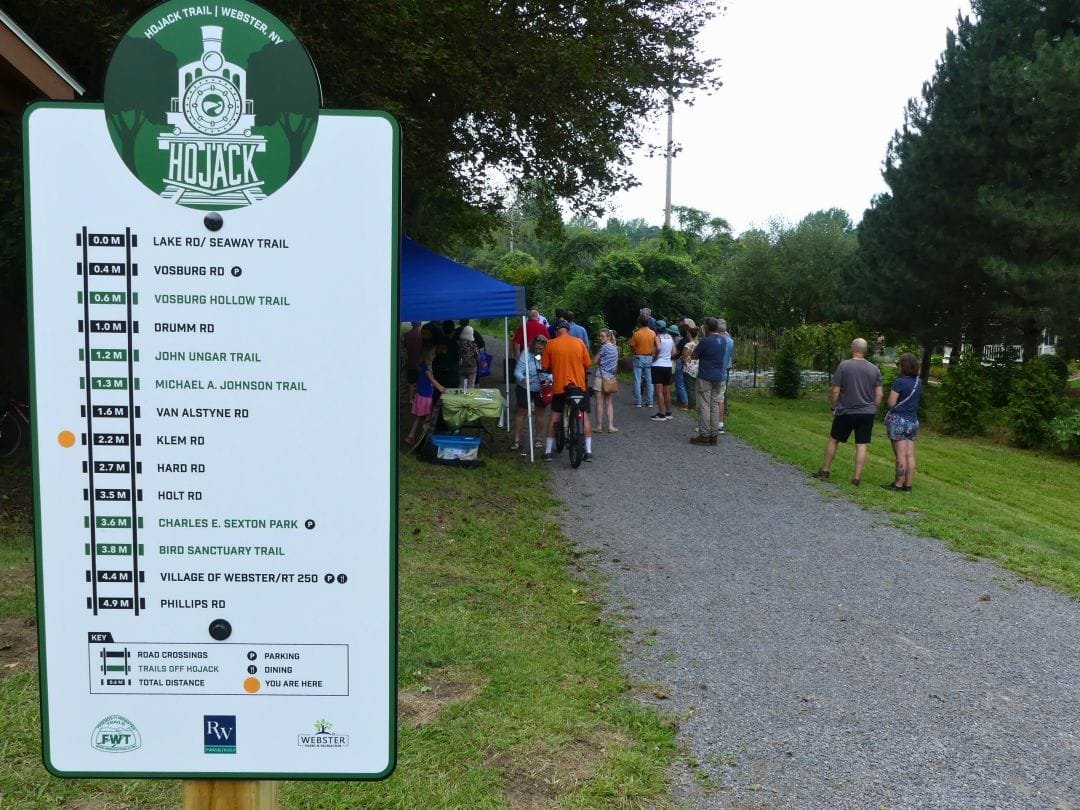
Back in 1875, the trail began as the Rome, Watertown and Ogdensburg Railroad. By the 1890s, the railroad was the center of the village, with a large station there. Four daily trains took passengers to Sea Breeze and into Rochester, while freight was shipped out of town.
The golden age of the railroad transformed Webster and the entire area, but times changed, cars and truck become the dominant means of transport, and the railroad eventually closed. Passenger trains stopped running to Sea Breeze in 1929, and in 1964, less than 100 years after the Webster Station was built, this section of the Hojack Line closed.
After being largely abandoned for years, In the 1990s, a local movement began that would turn the railroad into the rail trail we love today. The original trail grew to extend from Lake Road to Phillips Road, with thousands of users every year. The Friends of Webster Trails was established in 1997 with its only activity being to maintain the Hojack Trail.
With time, it became apparent, that the Hojack trail was in need of improvements. Frequent users of the trail can attest to the muddy, flooded, and sometimes impassible conditions during long portions of the year. FWT has wished for years to improve the surface of the trail, but the requirement for a surface that can withstand heavy RGE trucks made the cost of improvements seem insurmountable.
But then, in early 2025, FWT became aware of the Ralph C. Wilson Jr. Trails Maintenance Fund for Western New York. The grant requirements aligned perfectly with what FWT wanted to do to the trail, but there was one problem—matching funds were required. And when a project is set to cost $362k dollars, obtaining matching funds is no small matter.
Fortunately, two local residents who wish to remain anonymous stepped up to generously provide the 50 percent matching funds that FWT needed to maximize its eligibility for the grant. We then worked hard with our other stakeholders to build an application, and the result is a grant award and the beautiful new trail surface, signage, and other improvements.
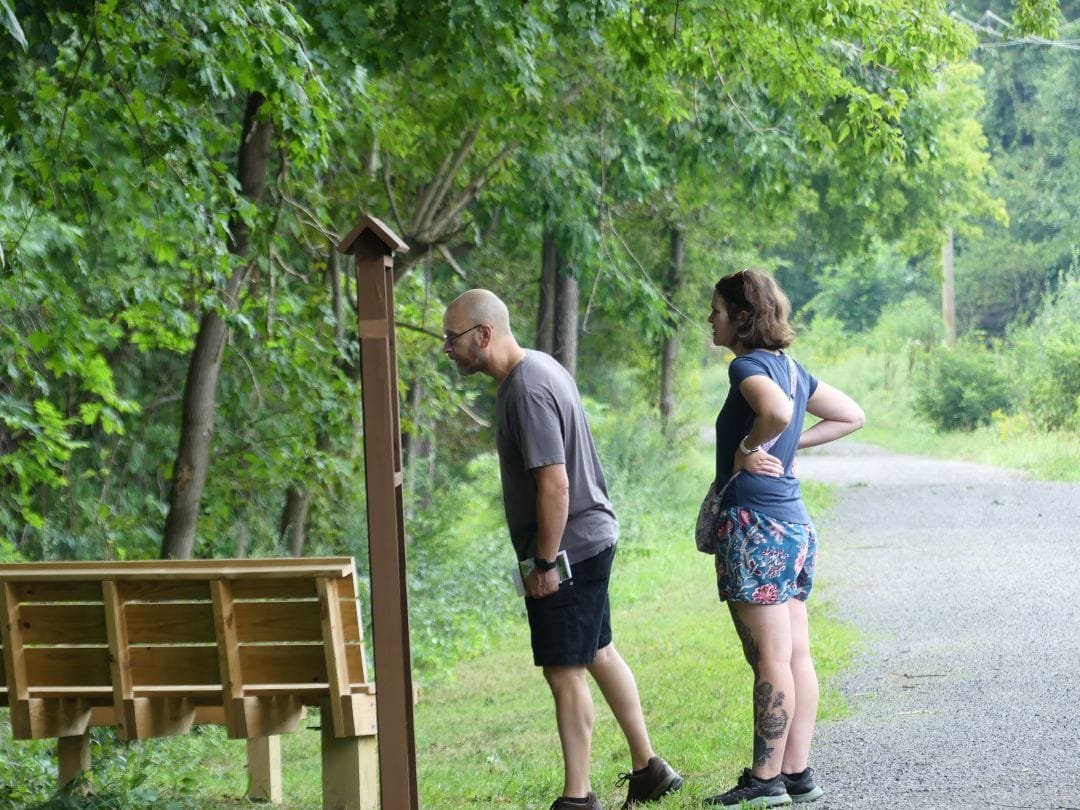
Some specific changes include two new kiosks with maps and trail information, wayfinding signs, point of interest signs, new trees and shrubs, and access bollards. None of this new infrastructure is off the shelf; it was all designed and built by FWT and its community partners.
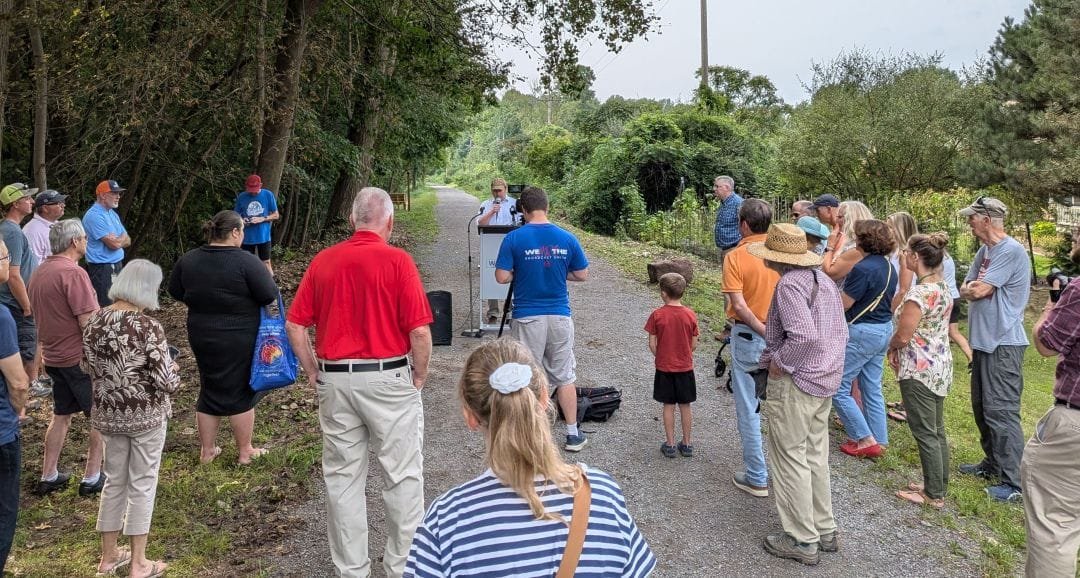
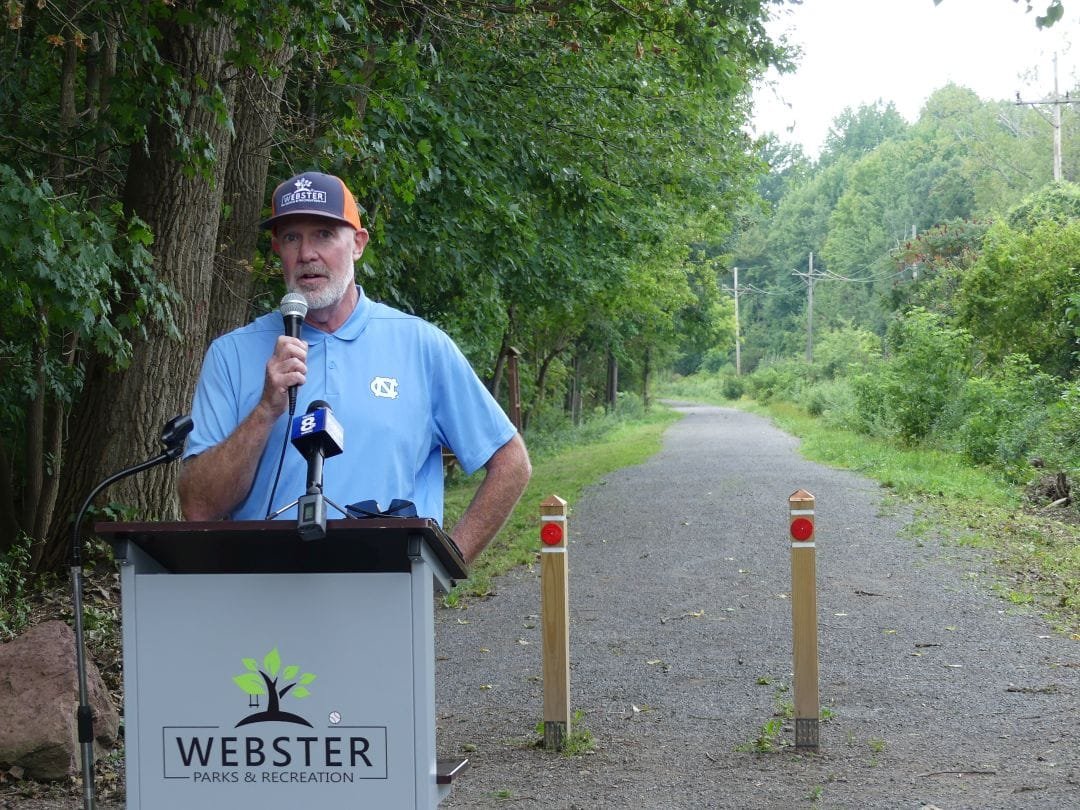
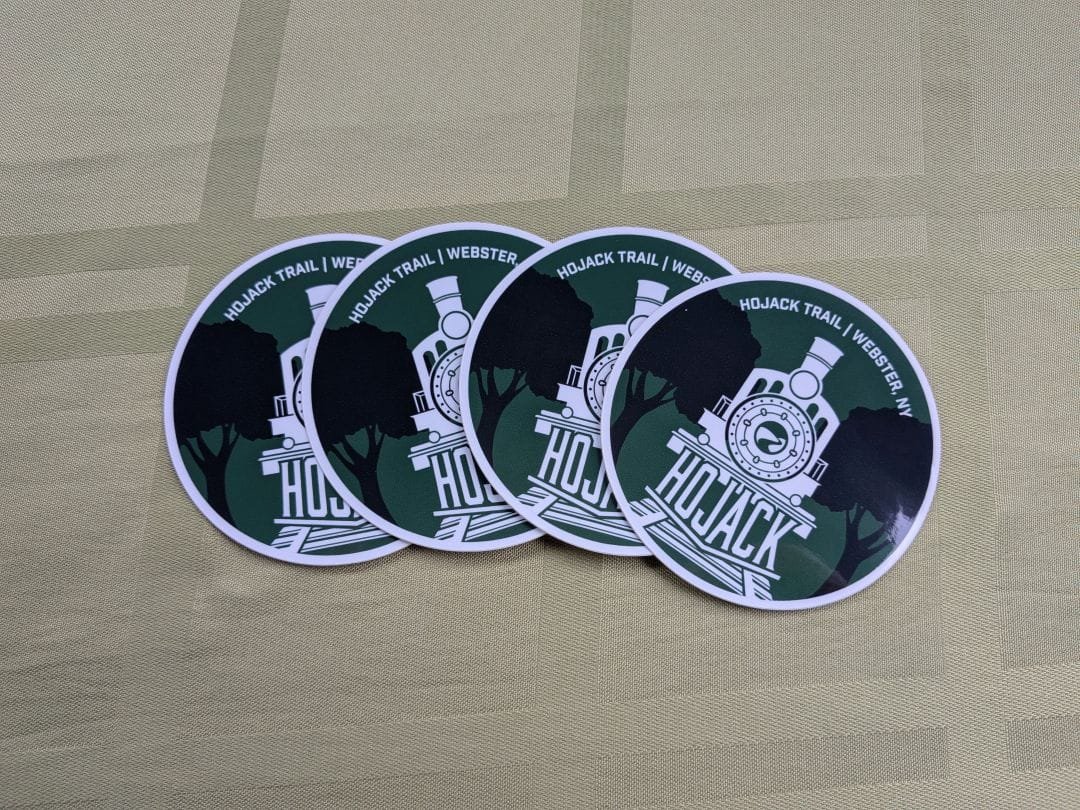
FWT is grateful for the partnership of the Town of Webster, RGE, and the private landowners who have granted easements for the Hojack trail. In addition, a few individuals were instrumental in making the project happen: Mike Carmody, a volunteer who offered up his organizational skills to assist us in developing a vision for the trail; Pat Smally, and his employer LeChase Construction for helping manage the project contract and develop the new Hojack Trail logo on all of our wayfinding signs; Ally Shutt, the graphic designer who developed the New Hojack Trail logo; Matt Steiner of RG&E and FWT member who worked with us to plant new trees, clear brush from the trail edge and maintain needed utility access; Norma Platt and Sarah White of Friends of Webster Trails ReTree, for planning and coordinating the new plantings along the trail; Denise and Rich Bilsback for their custom wood sign posts, mini kiosks, bollard construction, and woodworking skills; McAllister Sign, who fabricated our new wayfinding and information signs, and the many members of FWT who have contributed to this project with their time, expertise, and labor.